
Active recall means pulling information back out of memory instead of re-reading or re-watching it. For programmers that difference decides whether you can build without the tutorial open in a second window. Most learners type along with a video while half-listening, which trains a copying habit and very little else. Pause the lesson, explain the concept out loud, and only then touch code.
Why Passive Re-reading Fails for Code
Copying tutorial code while half-listening feels productive. The video ends, your file matches the instructor’s, your confidence goes up. The next day you sit down to build something similar without the video and the knowledge is gone. Your eyes saw the pattern; your memory never stored it.
Re-watching lessons and re-reading notes create familiarity, which your brain happily mistakes for knowing. Recognition works only while the material sits in front of you. Recall means retrieving the thing with no cues on screen, and that is what a normal workday asks of you constantly, because you cannot look up every library function and syntax rule while shipping a feature.
The Pause-and-Explain Method
The technique is simple and mildly uncomfortable: stop the lesson the moment a new concept has been introduced. Before you write a line of code, say out loud what it does, why you would reach for it, and how it connects to what came before.
Gaps show up fast. You understood it while watching, and now the explanation comes out mushy, which is exactly the signal you wanted. Rewatch that segment and write down where understanding actually broke: was it how the parameters work, the syntax itself, or why this approach beats the alternative? Be specific, because “confused about this part” is useless to you two weeks later.
This is slower than typing along, and the slowness is doing the work. Your brain is straining to retrieve, which is what makes the material stay. Once the explanation comes out clean, write the code and reinforce what you already hold.
Deliberate Practice Builds Real Understanding
Theory alone never produced a programmer. You will copy code at first without understanding every line, and that is fine, because understanding arrives through weeks and months of consistent practice rather than a long stare at one concept.
Programming is a practical skill in the same category as soccer or an instrument. Nobody learns violin by reading about violin: you imitate your teacher closely, over and over, until the patterns run without conscious effort, and only then start improvising. So when a new pattern arrives and you do not fully understand it yet, copy the instructor’s approach as closely as you can. Shortcuts and improvisation at that stage just bury the gap.
The pause-and-explain method sits on top of this. You retrieve and explain first, then practice by coding, and each half strengthens the other.
Build a Recall-Friendly Note System
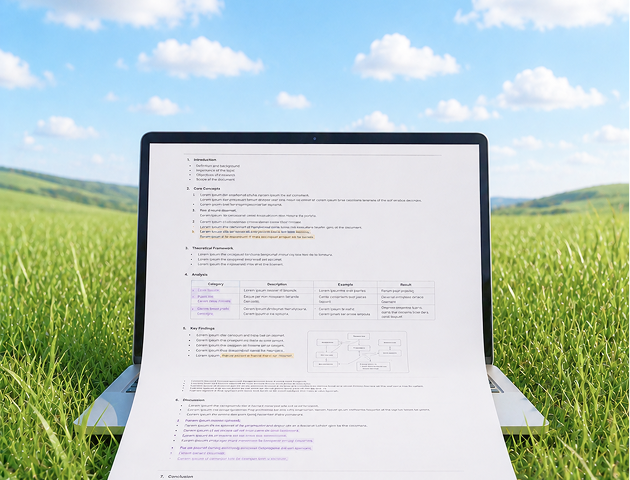
Raw unstructured notes resist recall; notes anchored to specific moments, code, and images support it. A Markdown file open in VS Code next to the lesson is enough. Pause often and capture:
- The exact topic being introduced (e.g. “TypeScript props typing”)
- The timestamp where it begins (e.g. “4:52-10:57”)
- A screenshot of the code or concept, embedded with Markdown image syntax (exclamation mark, brackets with alt text, parentheses with the path)
- Your own words explaining it, not a transcript
Those timestamps become a table of contents for the course. Weeks later, when TypeScript props go fuzzy again, you jump straight to 4:52 instead of scrubbing through an hour of video. The screenshots do similar work from the other direction, tying an abstract idea to the concrete code you saw, so visual memory helps carry the recall.
Fill Foundational Gaps Before Moving Forward
Programming concepts stack. Skip a foundation and the advanced material slides off, because you have nothing to attach it to. HTTP verbs are the classic case: if GET versus POST is still hazy, no explanation of why Axios suits a job better than the alternative will land.
So read your own notes for the prerequisite confusion hiding in them, and when you find it, stop and fix it before going further. Free foundational courses cover exactly this ground, HTTP basics included, and an afternoon there makes the next month of lessons far easier to hold.
Get Community Support When Stuck
Practicing alone is where motivation quietly dies. You hit a bug you cannot crack, the session stalls, and the next session gets easier to skip. Shared goals and peer accountability turn out to be among the strongest factors in whether people keep going, so telling other learners what you are working toward is not a soft extra.
When you are genuinely stuck on your own, ask the community and share a screenshot of the error or the code you are fighting. Someone else spots the missing piece in seconds. Writing the problem up clearly does something for you too, since explaining it forces the same retrieval the pause-and-explain method trains.
Turning Your Notes Into Reviews You Actually Do
The hard part is not writing the notes. It is opening that Markdown file again three weeks later, deciding which sections have gone stale, and quizzing yourself on them without any external prompt telling you when. Most people write good notes and then never schedule a second pass, so the recall practice stops the moment the lesson ends.
Picture the same notes coming back to you on their own, a few cards at a time, right around when the material would have slipped. You spend ten minutes answering, not an hour rebuilding a study plan.
Fluxo works from notes you write yourself, organized into spaces and topics, and turns them into flashcards, quizzes, and summaries that come back on a spaced-repetition schedule. The mascot, streaks, and gamified review sessions exist for the same reason peer accountability works: they make the daily pass something you keep doing. One honest limit: Fluxo generates cards from what you wrote, so the depth of your code-specific drills still depends on how you write the notes. https://fluxo.today